Happy Noel: A Practical Review for Christmas Digital Sellers
As a digital product creator who has spent years curating assets for Etsy, Creative Fabrica, and my own print-on-demand store, I approach every new download with a mix of excitement and skepticism. The market is saturated, and the difference between a best-seller and a forgotten file often comes down to one thing: versatility. Today, I am reviewing Happy Noel, a graphic design asset that claims to bring festive cheer to your next project. My goal here is not to hype this up, but to give you a realistic breakdown of whether this asset fits into your commercial workflow, how it performs across different mediums, and what pitfalls to avoid before you list it.
First Impressions and Visual Personality
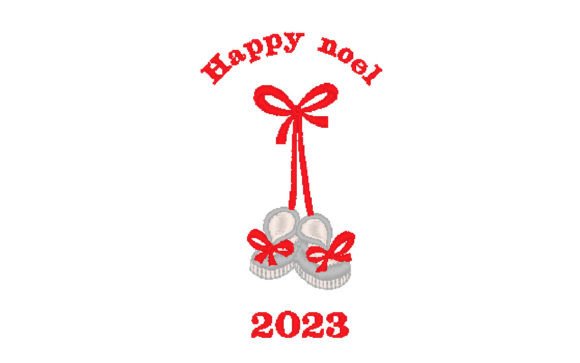
When I first opened the Happy Noel files, the immediate feeling was one of clean, modern festivity. Unlike many holiday designs that lean heavily into cluttered patterns or overly rustic textures, this asset strikes a balance that feels premium yet accessible. The typography is bold enough to stand out in a crowded marketplace thumbnail, yet elegant enough to work on high-end stationery. It possesses a playful personality without sacrificing professionalism, making it an ideal candidate for sellers targeting a demographic that appreciates contemporary design rather than traditional, old-fashioned aesthetics.
The color palette, while versatile, suggests a strong potential for seasonal collections. Whether you are building a brand identity for a small business during the holidays or creating a specific Christmas collection, Happy Noel offers a visual hierarchy that guides the eye naturally. It feels like a design that could sit comfortably alongside other premium assets in a curated bundle, elevating the perceived value of your entire shop.
Real-World Application Across Product Categories
One of the most critical questions for any seller is: "What can I actually make with this?" In my testing phase, I found that Happy Noel is surprisingly adaptable. It is not limited to just one type of merchandise. Here is how I see it performing in real selling scenarios:
- SVG and Cricut Projects: For users creating cut files, the lines appear crisp. This makes it perfect for t-shirt designs, mug wraps, and tumbler graphics where clean cutting paths are essential. You can easily layer this design onto blank apparel mockups to create instant best-sellers.
- Printable Wall Art and Greeting Cards: The layout works beautifully as a standalone piece for nursery prints or as a focal point on holiday cards. It adds a touch of warmth to printable planners and sticker sheets, especially when paired with complementary clipart.
- Digital Templates and Canva Designs: If you sell templates, this asset serves as a powerful header or logo element. It can anchor a social media pack, a blog graphic, or a promotional flyer for a seasonal sale.
- Sublimation and Merchandise: The resolution holds up well for sublimation designs on large formats. It translates effectively from a small sticker to a full-size tote bag print without losing clarity.
This versatility means you aren't just selling one item; you are selling a design asset that unlocks multiple revenue streams. A single purchase of Happy Noel can fuel a dozen different listings, from digital downloads to physical goods.
Optimizing Product Presentation and Listings
In the world of online sales, your listing image is everything. Happy Noel has strong thumbnail appeal, which is crucial for click-through rates. When I created mockup previews for this design, the text remained legible even at small sizes. This is a common failure point for many holiday fonts, but Happy Noel avoids it by maintaining strong contrast and spacing.
To maximize the selling potential, I recommend using this asset in themed bundles. Imagine a "Christmas Digital Bundle" that includes Happy Noel as the hero graphic, paired with matching background papers and icons. This strategy increases the average order value and provides customers with a cohesive look for their projects. Furthermore, using this design in your brand identity for social media promos helps establish trust. When customers see consistent, high-quality visuals across your Etsy shop and Instagram, they are more likely to view your store as a professional source for commercial design.
Strategic Placement and Limitations
While Happy Noel is robust, no design is perfect for every situation. As a seller, you must know where to use it carefully to maintain quality standards. For instance, if you are designing tiny sticker details or intricate scrapbooking kits, the lettering might become too complex to read at a micro-scale. In these cases, it is better to pair it with simpler elements or use it as a secondary accent rather than the main focus.
Additionally, be cautious with dark backgrounds. While the design looks great on white or light cream paper, placing it on very dark colors without a proper outline or drop shadow can reduce visibility. Similarly, avoid using it in text-heavy templates where the font style might compete with body copy. If you need a functional script for long paragraphs, stick to a dedicated serif or sans-serif font and reserve Happy Noel for headlines and decorative accents.
For Cricut and Silhouette users, always inspect the SVG cut quality before uploading to production machines. While the vector data appears clean, testing a physical cut on cardstock is a necessary step to ensure the blades handle the curves correctly, especially for intricate holiday shapes.
Practical Seller Notes for Launching Your Collection
Before you hit publish on your new listing, there are several technical checks you should perform to ensure your customers receive a premium experience. First, test the design on real mockups. Seeing Happy Noel applied to a coffee mug or a tote bag gives you a better sense of its scale and impact than looking at the raw file. Second, preview it as a marketplace thumbnail. Does it pop against the white background of Etsy? Does it hold up in grayscale?
Check the PNG transparency thoroughly. Any residual halos or jagged edges can make a digital product look unprofessional. Verify the file resolution to ensure it meets print-on-demand standards, typically 300 DPI for physical goods. Organize your files clearly for your customers; include a readme file that explains how to use the design, what software is required, and how to access the commercial license.
Pairing is key to unlocking the full potential of this asset. Experiment with different font combinations. Happy Noel pairs exceptionally well with a classic serif font for a sophisticated look, or a handwritten script for a more personal, handmade feel. Avoid pairing it with another display font that competes for attention. Finally, confirm your commercial license terms. Ensure you understand the limits of selling finished products versus reselling the raw design itself.
Final Thoughts for Creative Entrepreneurs
For digital product creators, designers, and small business owners, finding the right design bundle can save hours of work and elevate your entire catalog. Happy Noel delivers on its promise of being a festive, high-quality asset that bridges the gap between cute and commercial. It is suitable for everyone from Etsy sellers looking to boost their holiday sales to bloggers needing engaging social media graphics.
By treating this asset with care—testing it on various mockups, respecting its limitations, and integrating it thoughtfully into your product line—you can turn a simple download into a profitable part of your creative business. It is a solid addition to any printable design library, ready to help you create memorable Christmas experiences for your customers.